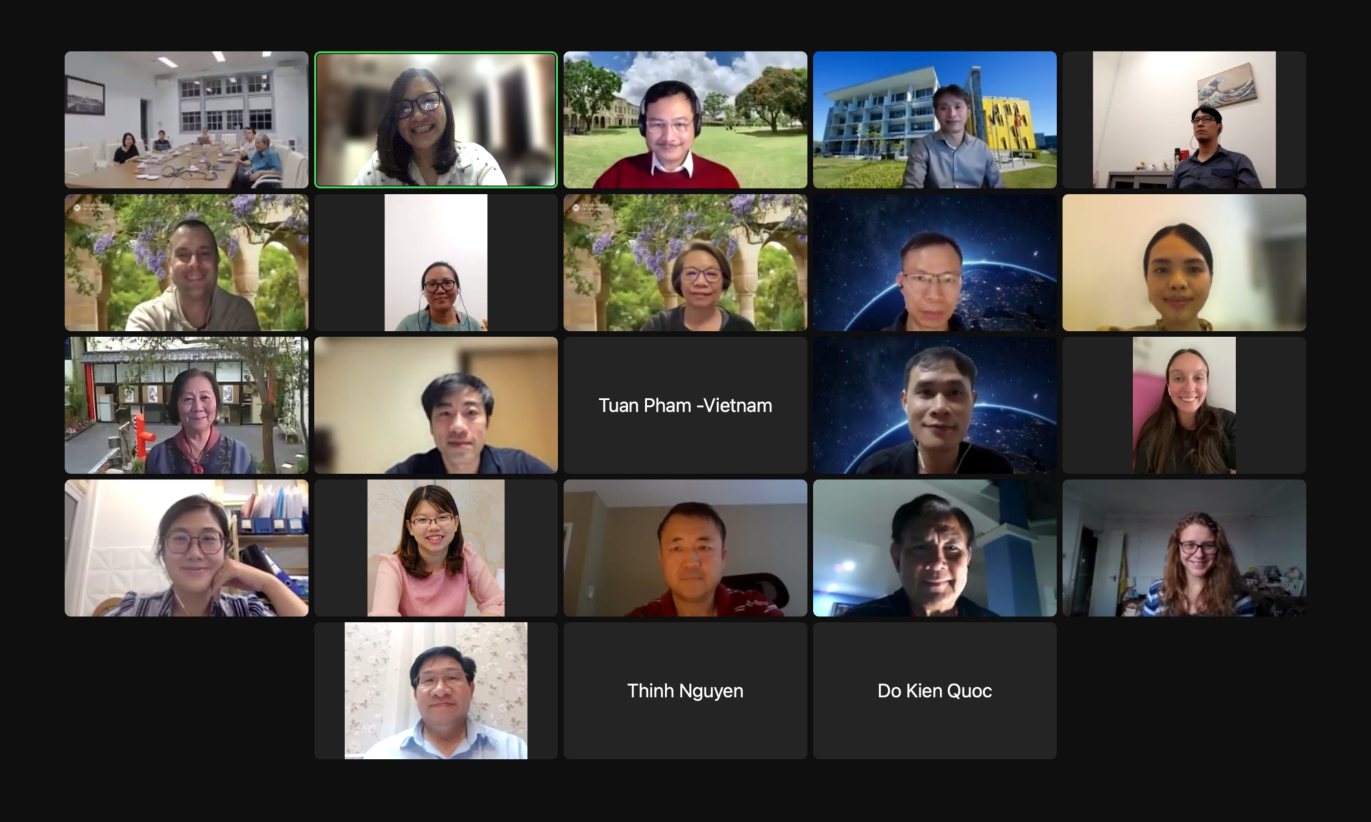
Project kick-off and international team launch
E-DENGUE officially commenced with an international project meeting led by The University of Queensland, bringing together multidisciplinary partners from Australia, Vietnam, the United States and Japan.
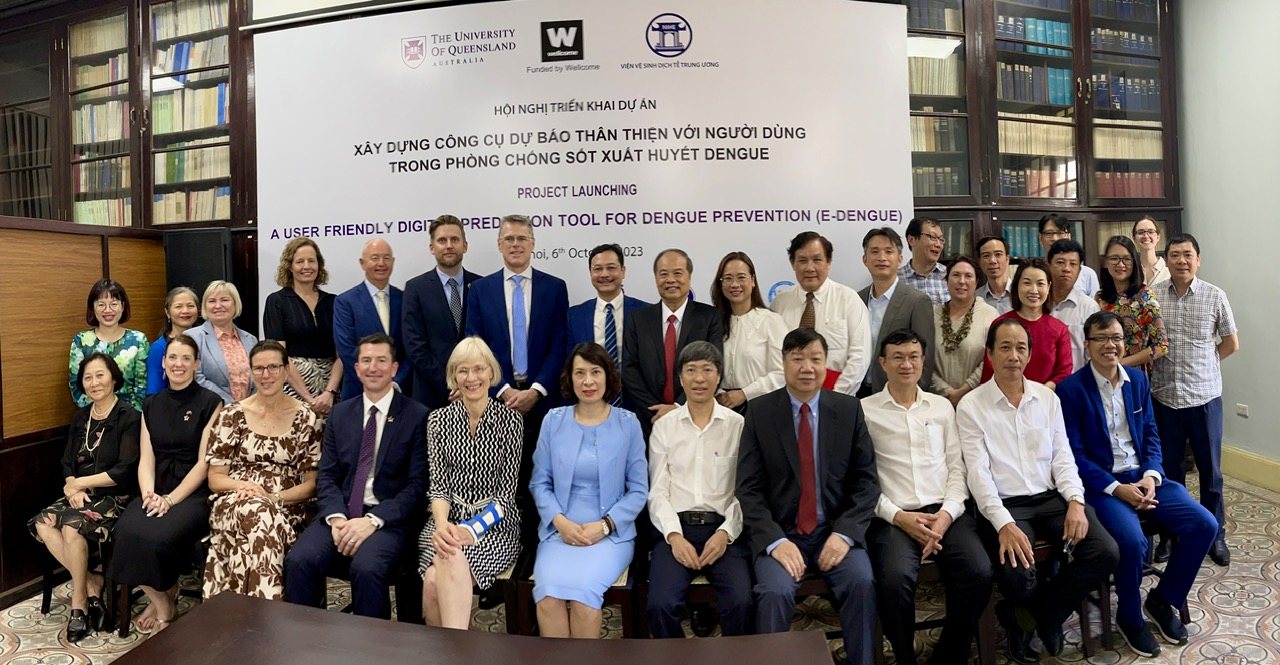
Official E-DENGUE launch in Hanoi
The National Institute of Hygiene and Epidemiology and UQ formally launched the project in Vietnam with government, academic and public-health partners.
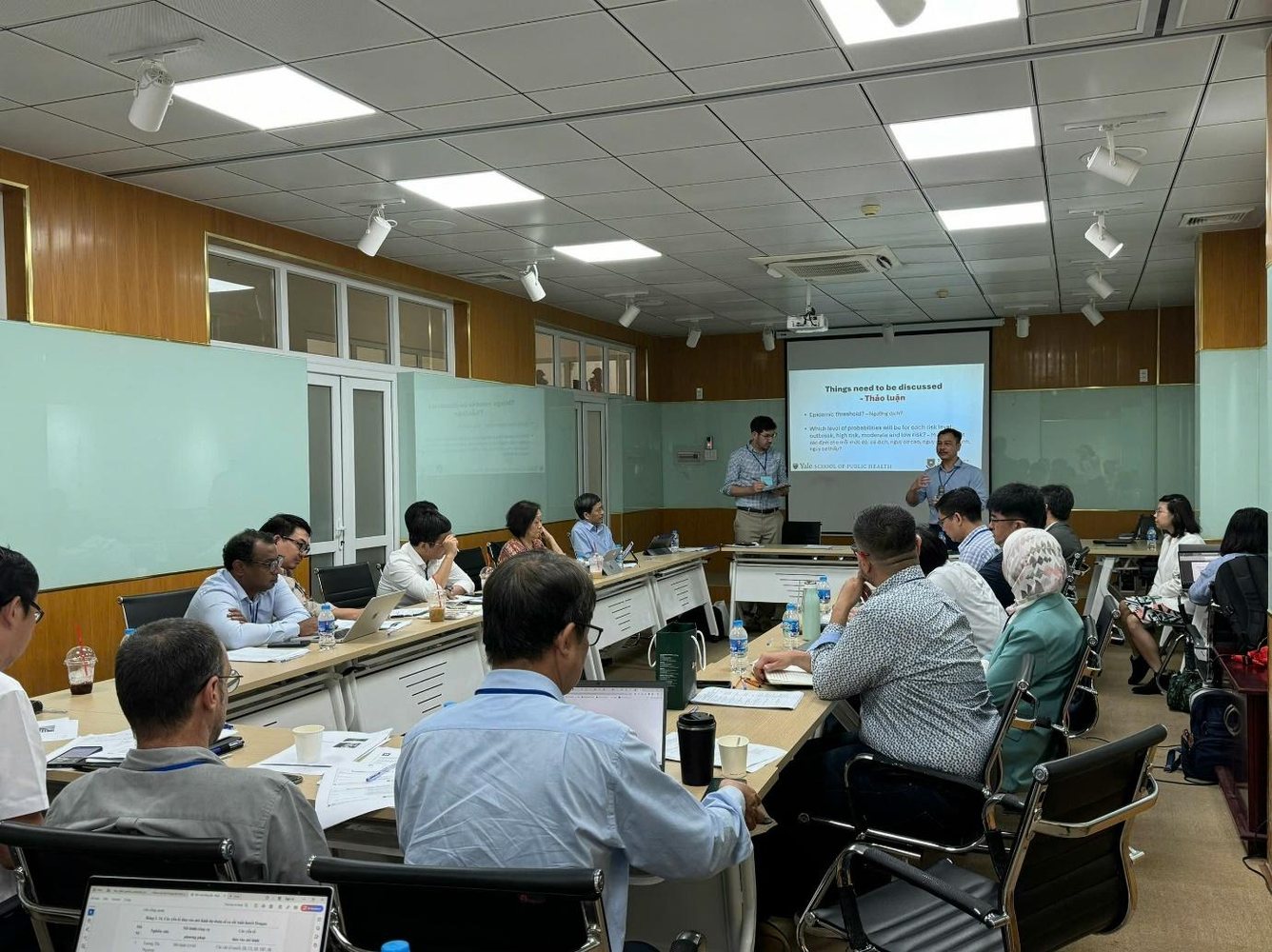
Stakeholder consultation and needs assessment
Health-sector stakeholders helped shape implementation priorities, intervention needs and requirements for the digital dashboard and decision-support workflow.
Early prediction model consultation workshop
Experts reviewed ensemble forecasting approaches, epidemiological thresholds and pathways to deliver earlier district-level dengue risk warnings.
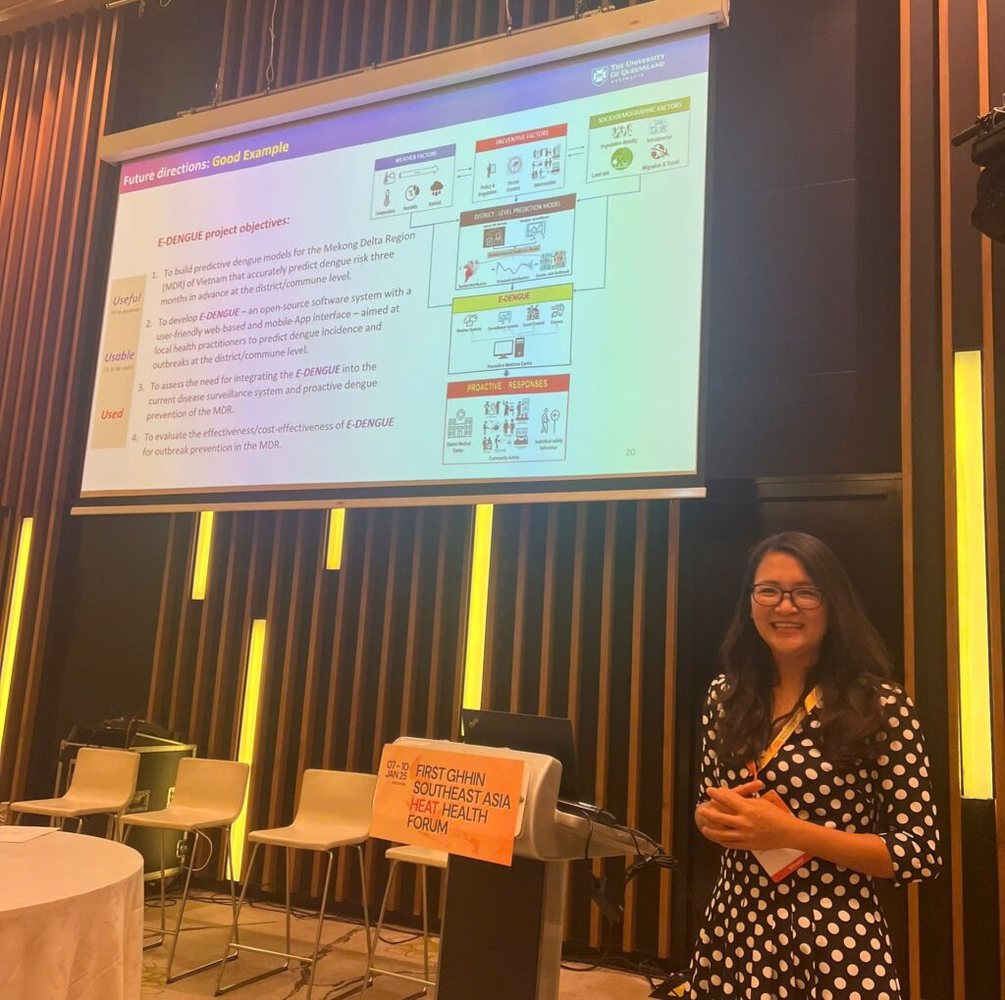
E-DENGUE and the Useful–Usable–Used approach
The project was presented as a practical example of designing public-health early warning systems around usefulness, usability and sustained real-world use.
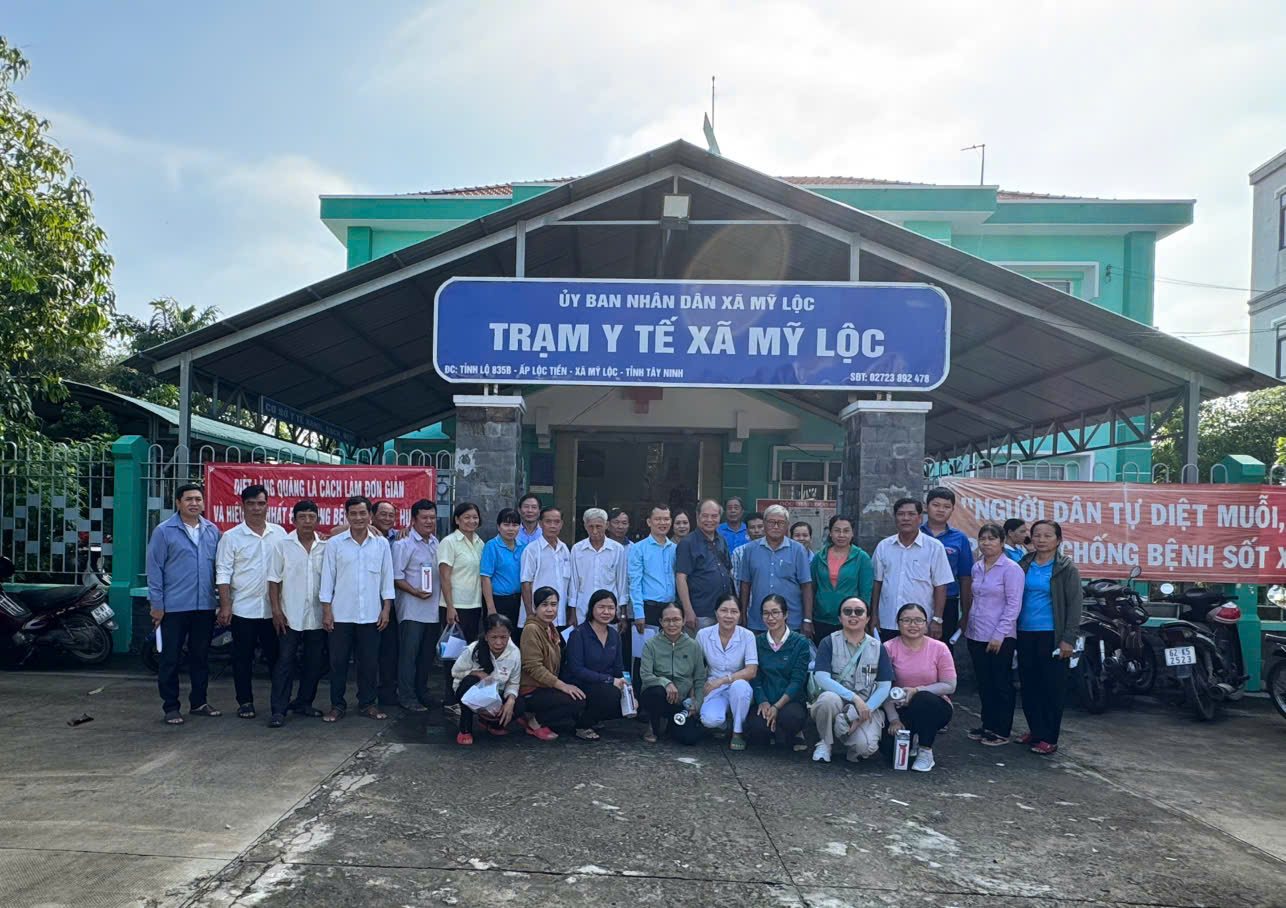
Pilot intervention in An Giang and Tay Ninh
Forecast-informed pilot activities tested targeted larval control, community communication and the operational use of risk maps before wider implementation.
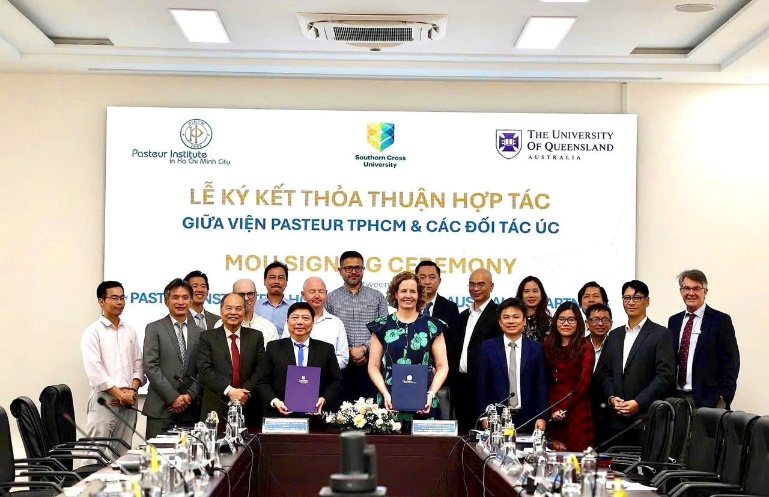
Tool handover and partnership strengthening
Project partners strengthened implementation arrangements, handed over E-DENGUE infrastructure and expanded institutional collaboration for the next phase.
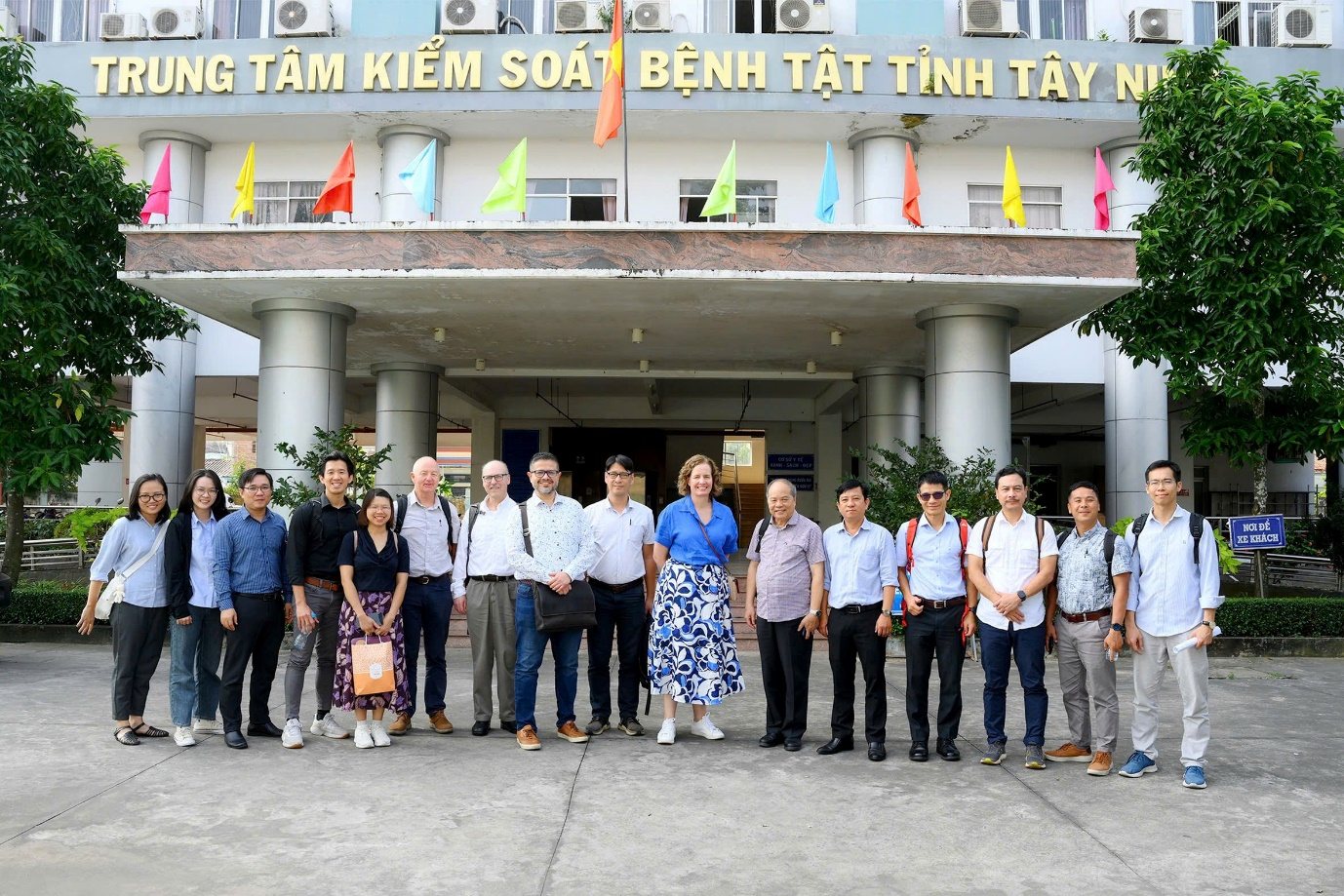
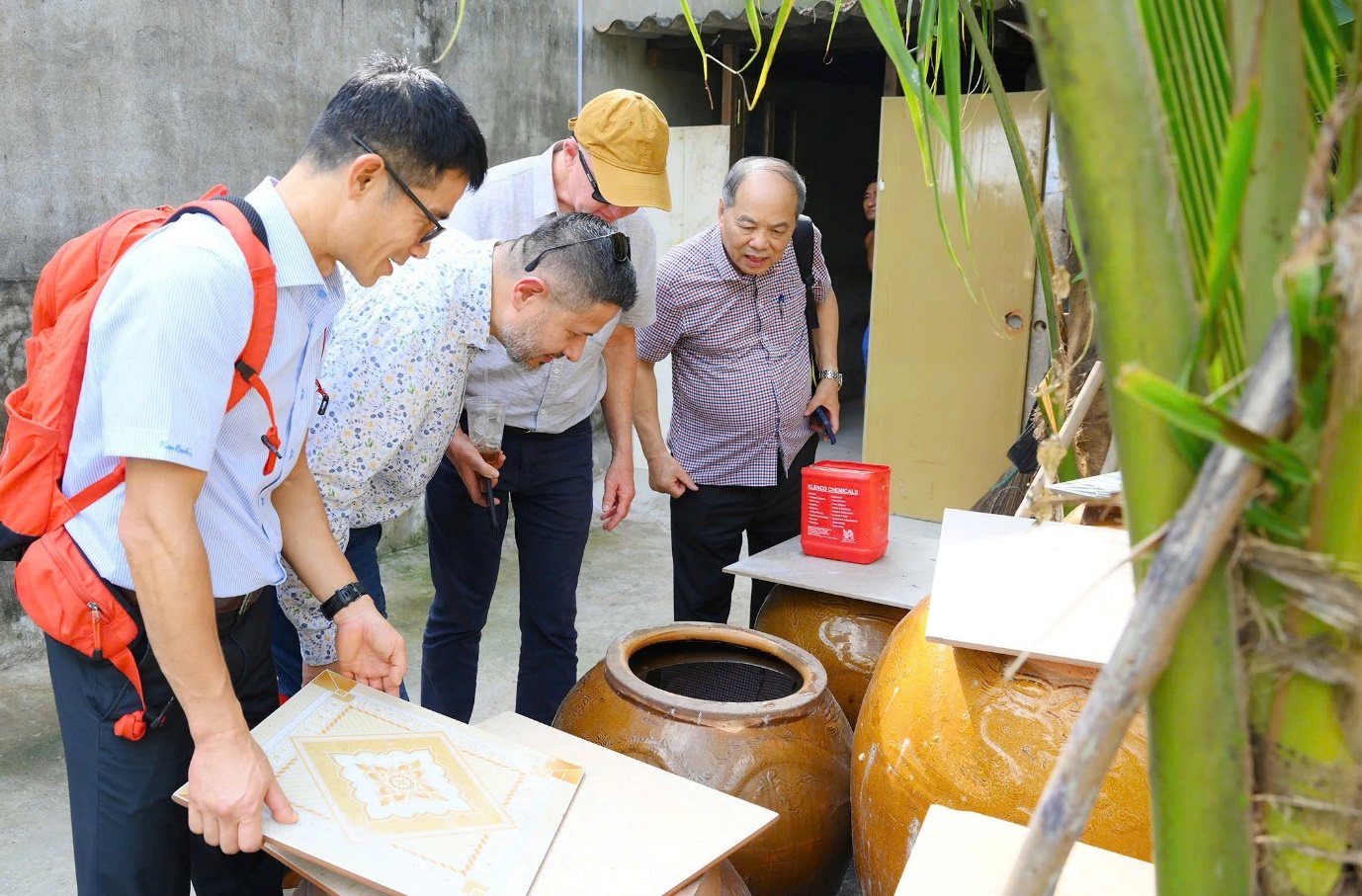
Field assessment of proactive dengue prevention
The team assessed how early-warning information could support vector surveillance, targeted prevention and local public-health decision-making in practice.
Main implementation and effectiveness evaluation
Current phase: scale-up of E-DENGUE-supported interventions, real-world use of early warnings and rigorous evaluation of effectiveness, cost-effectiveness and implementation.