Phase 12023
Launch, model foundations and formal approvals
The international programme launched and established the data, ethics and implementation foundations for all four research themes.
E-DENGUE is building a user-friendly digital early warning system to help health teams anticipate dengue risk and target prevention in Vietnam's Mekong Delta Region.
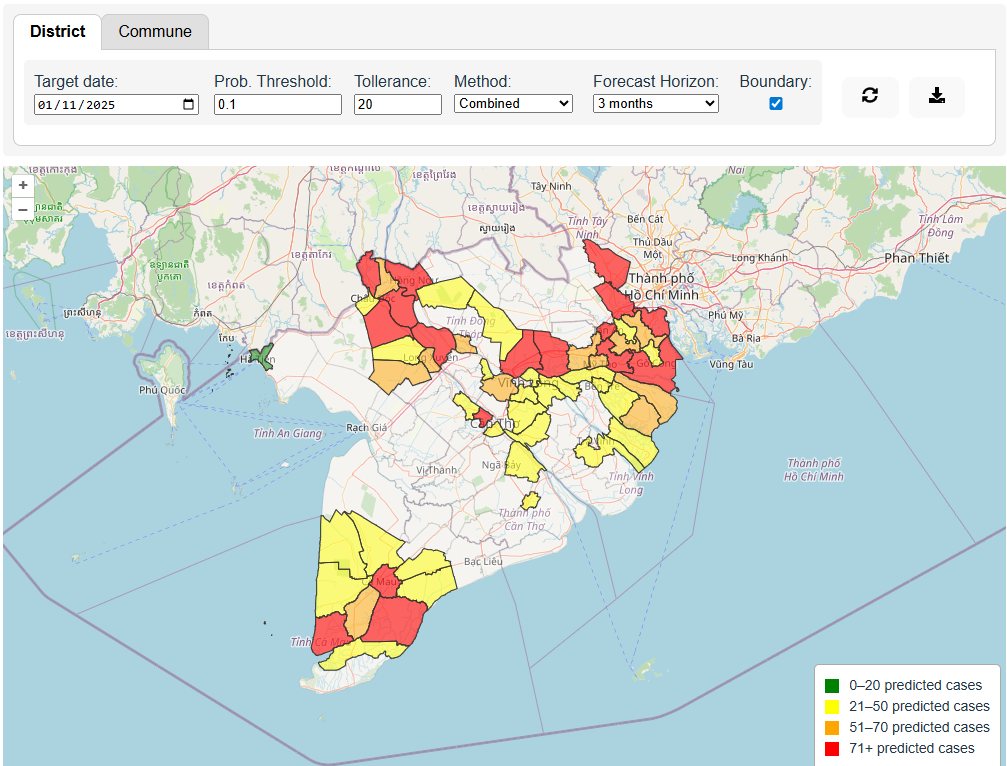

E-DENGUE combines public health, epidemiology, modelling, climate science, economics, social science, software engineering and implementation expertise.
 The University of Queensland
 NIHE Vietnam
 Pasteur Institute HCMC
 Yale University
 Griffith University
 Southern Cross University
 University of Tsukuba
 Can Tho University
Forecasting only creates value when it connects to usable tools, real interventions and evidence about what works.
Develop and validate probabilistic dengue forecasts using spatiotemporal, statistical and semi-mechanistic approaches.
Translate multi-source data and model outputs into a practical web and mobile decision-support experience for local health teams.
Evaluate whether forecast-guided prevention reduces dengue burden and whether the approach is cost-effective for health systems.
Co-design around real user needs, implementation context, capacity and pathways for sustainable integration into surveillance.
A concise view of the programme. Open the detailed timeline for dated milestones, locations and field activities.
The international programme launched and established the data, ethics and implementation foundations for all four research themes.
Technical and user consultations translated research requirements into a selected forecasting approach and an implementable digital product.
The web and mobile platform moved from development into operational testing, training and forecast-guided field intervention.
The current phase combines large-scale implementation and effectiveness evaluation with a major technical revision of the forecasting system.
The final programme phase will consolidate trial results, cost-effectiveness evidence and pathways for sustainable adoption.
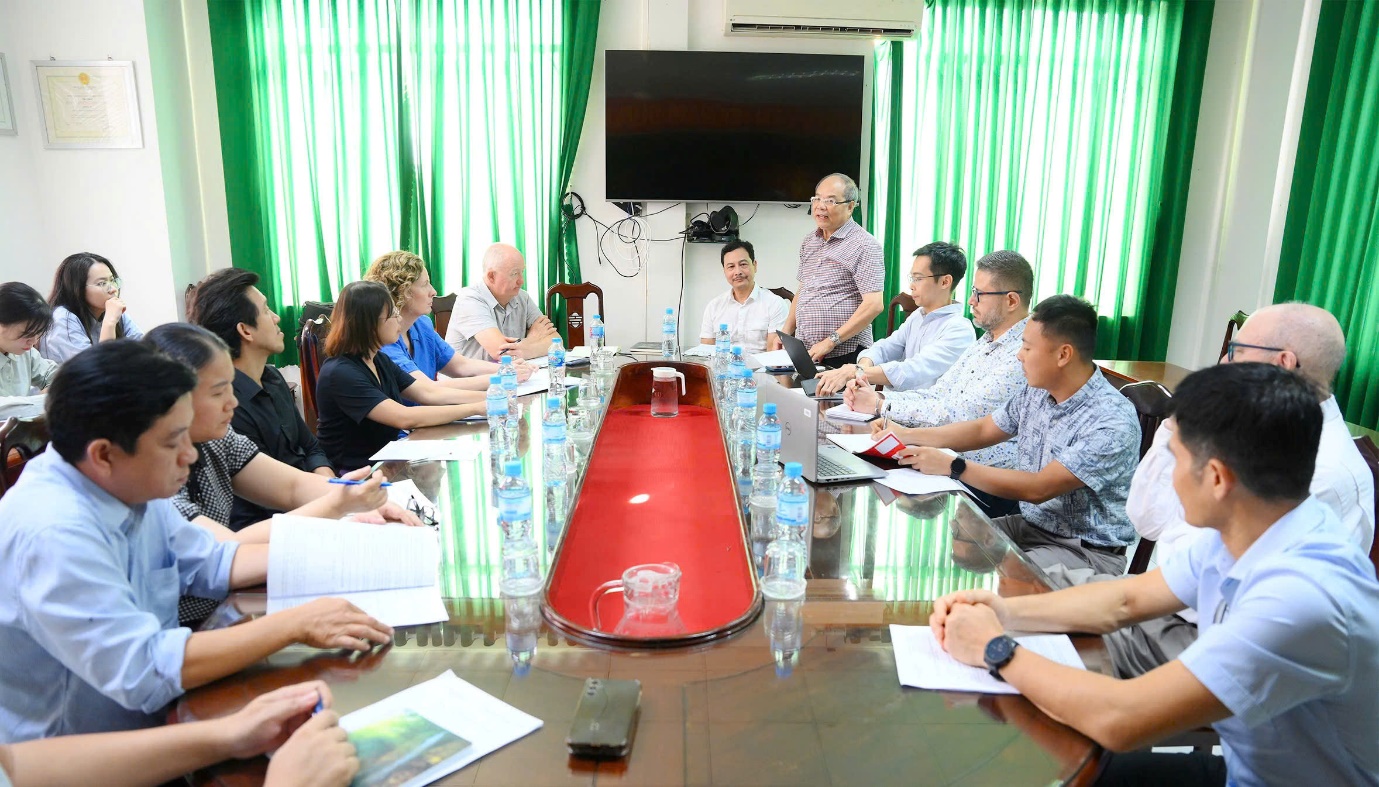
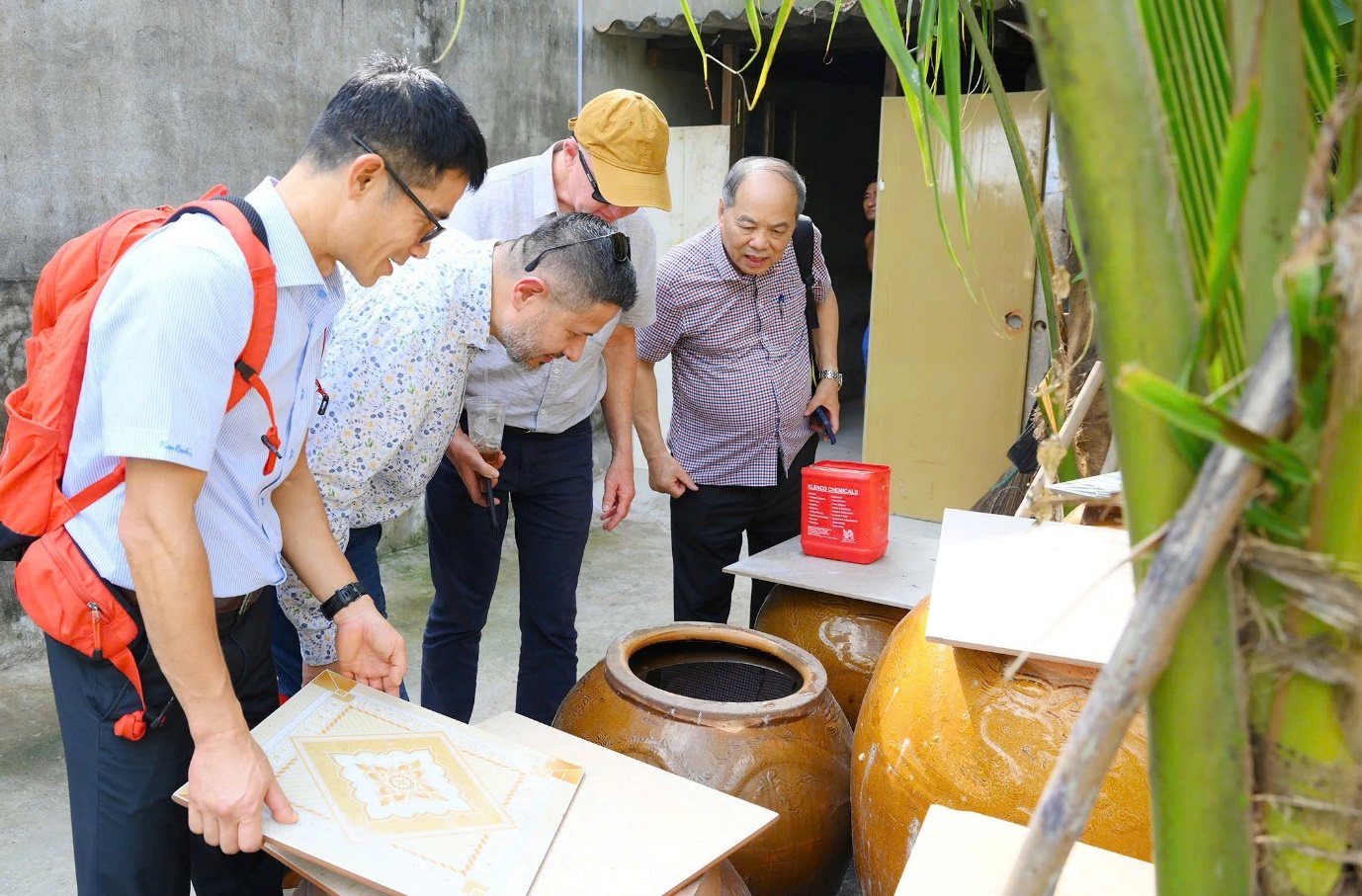
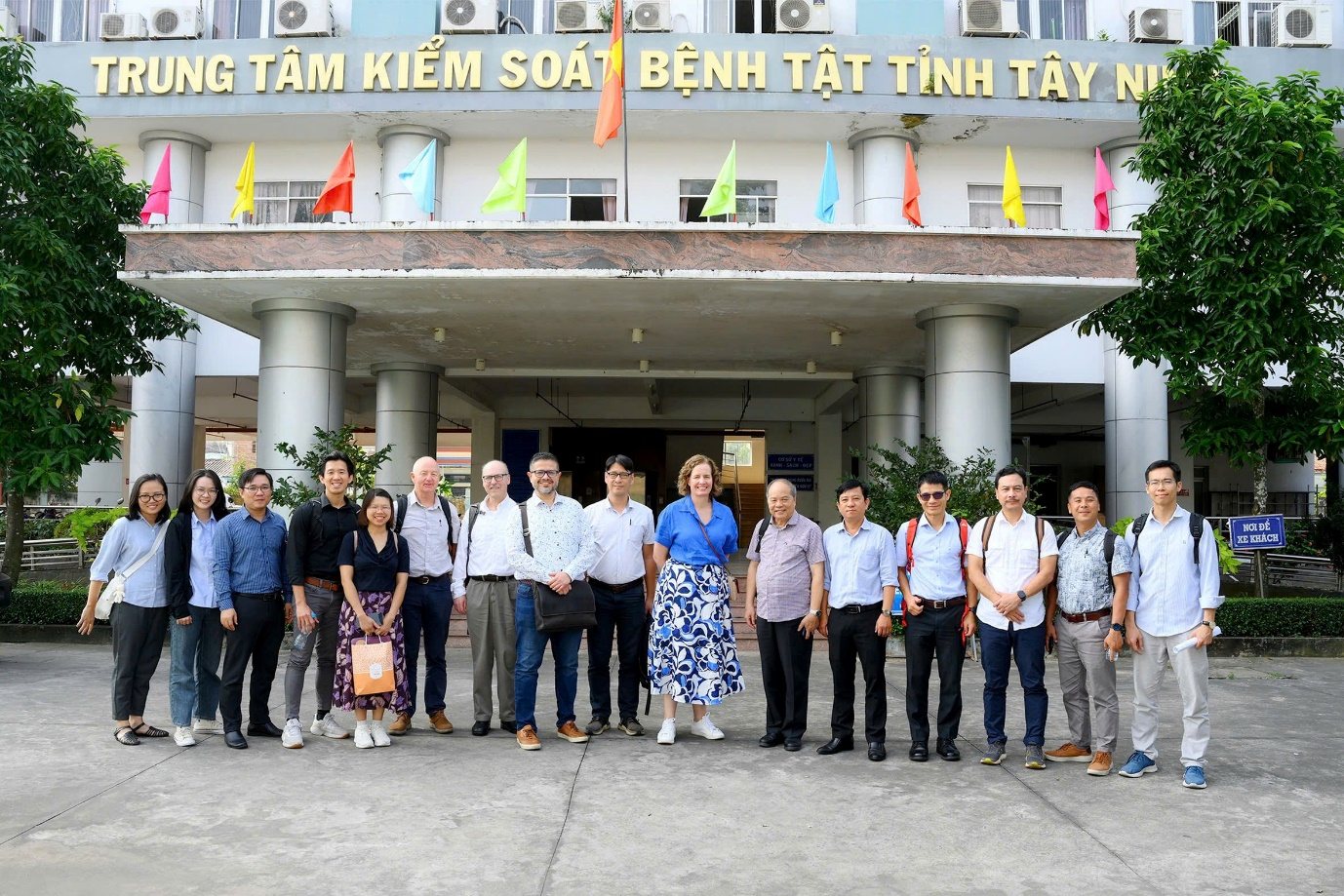
An international project team examined how early-warning information supports surveillance, larval control and community communication in practice.
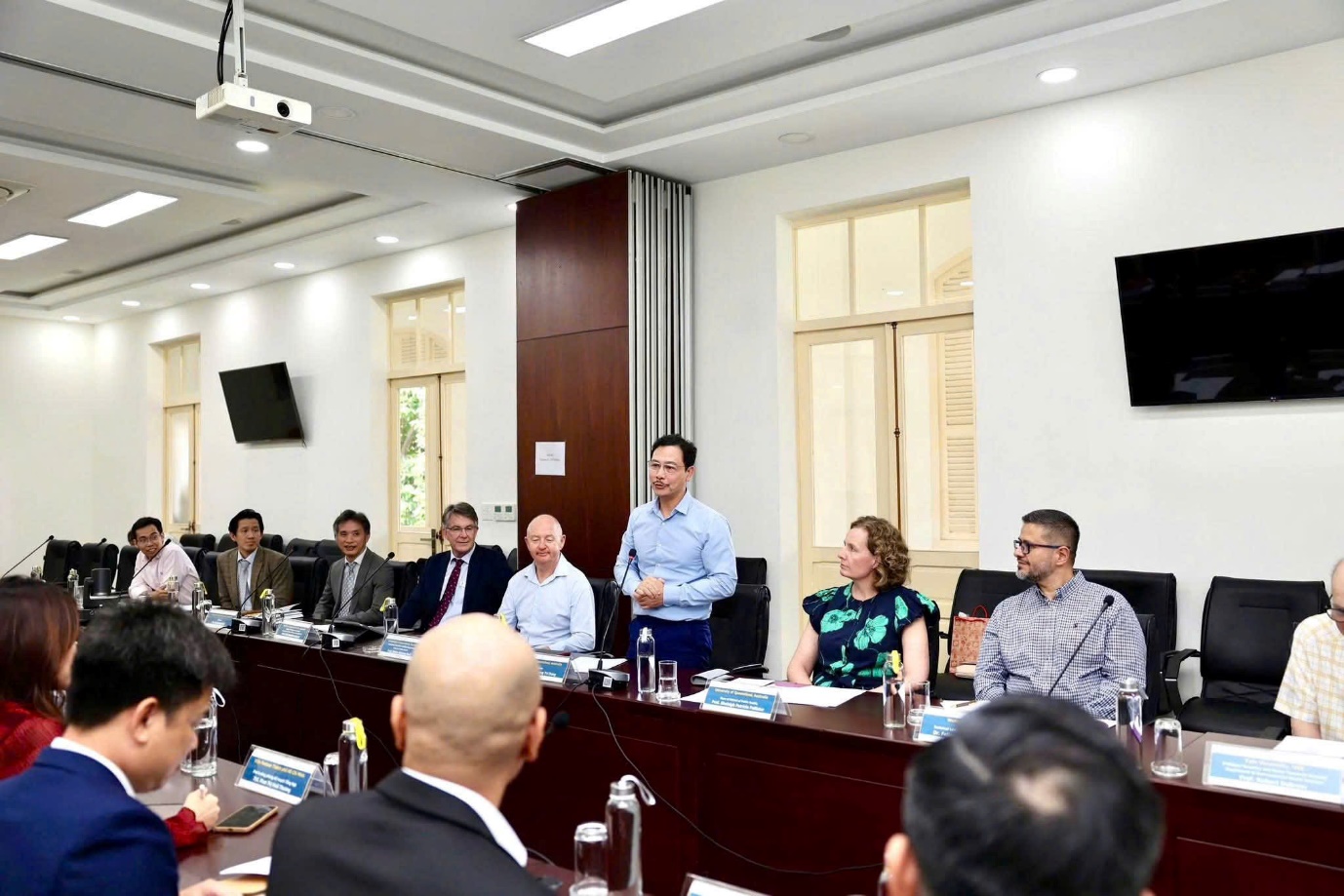
Project partners reviewed implementation, handed over E-DENGUE infrastructure and strengthened research and training collaboration.
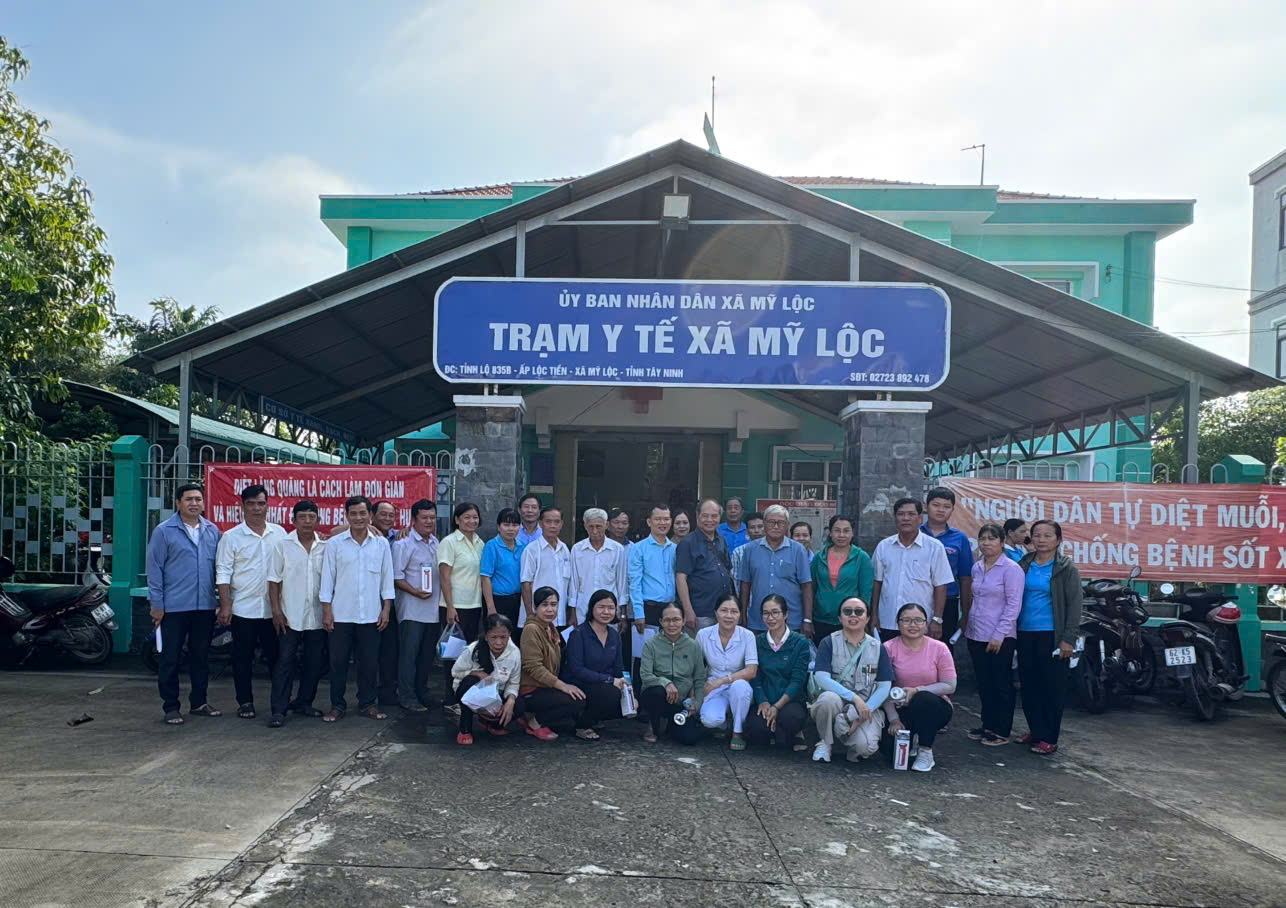
An Giang and Tay Ninh piloted forecast-guided larval control and communication before the main 2026–2027 implementation phase.
Current phase: scale-up of E-DENGUE-supported interventions, real-world use of early warnings and rigorous evaluation of effectiveness, cost-effectiveness and implementation.
The team assessed how early-warning information could support vector surveillance, targeted prevention and local public-health decision-making in practice.
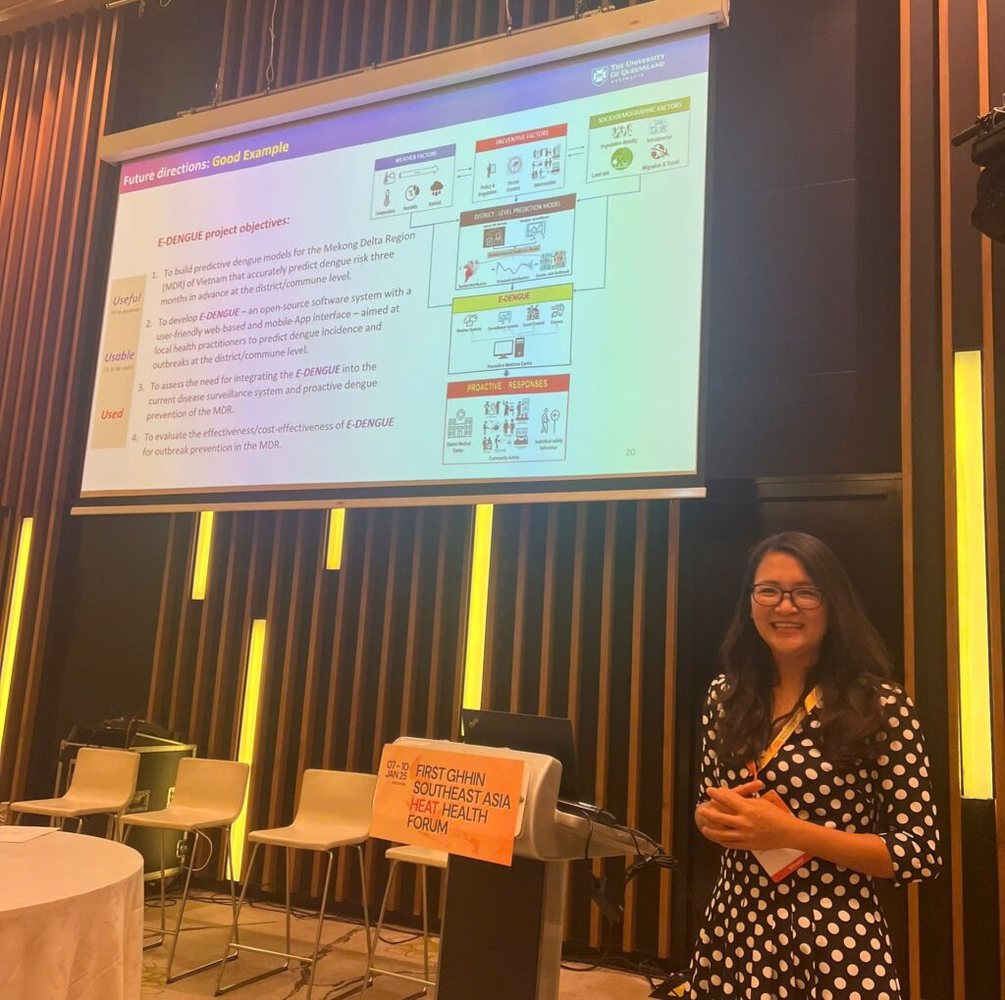
The project was presented as a practical example of designing public-health early warning systems around usefulness, usability and sustained real-world use.

Project Lead · Theme 1 Co-Lead
The University of Queensland
Principal Steering Committee Member & Advisor
Yale University
Theme 1 Co-Lead
Yale University
Theme 2 Lead · Software Development
Southern Cross University
Theme 3 Lead
National Institute of Hygiene and Epidemiology
Theme 4 Lead
Griffith UniversitySteering Committee Member & Advisor
The University of QueenslandTheme 3 Co-Lead
Australian National University
Theme 4 Co-Lead
Griffith University
Project Advisor · Theme 4 Member
The University of Queensland
Project Advisor
The University of Queensland